Our Committees
JCC
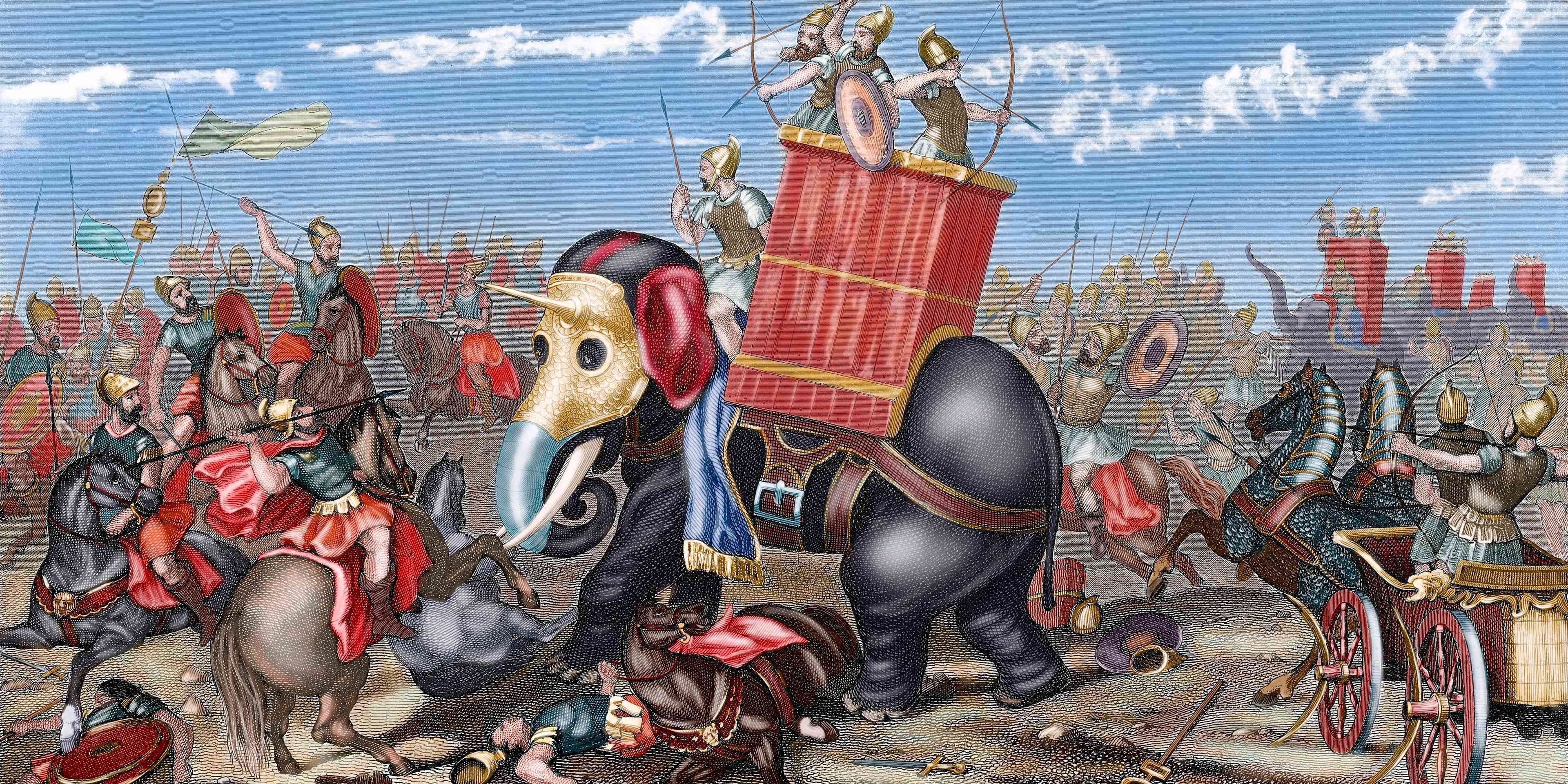
Punic Wars
On one side stands Rome, forged by discipline, hardened by defeat, and driven by an unbreakable will to expand a republic that turns loss into resolve, and resolve into dominion. Facing it stands Carthage, born of the sea, sustained by trade, and elevated by wealth and strategic brilliance a power whose strength lies not in numbers, but in mastery. One fights to dominate. The other fights to survive.
Head Of Crisis: Bilgehan Sarısoy
Academic Assistants:
• Rahmetullah Arayıcı
• Arda Karakaş
• Barış Sever
UNSC
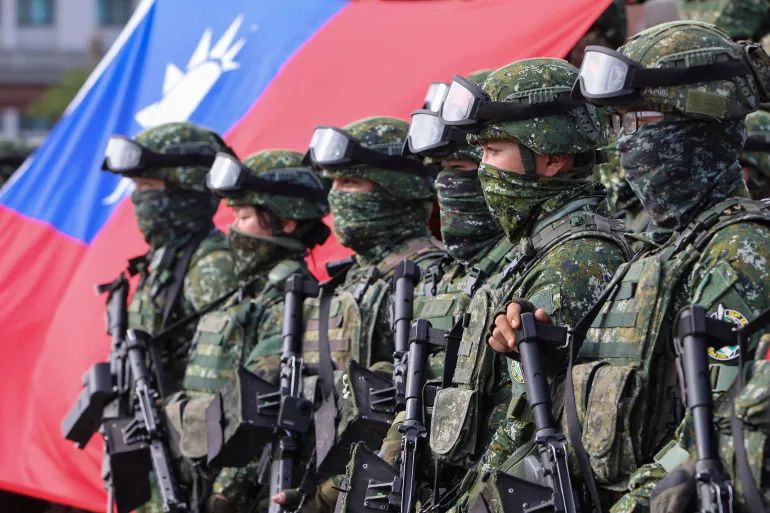
Escalation in the Taiwan Strait and Threat to International Peace and Security
A conflict that has been rising for almost a century: Taiwan and China are not only in a political standoff, but are also geographically restricted. On one hand, there is the mega power, leading the world with the Permanent Five; on the other hand, a land that struggles even to be recognised. With China's recent tour de force and Taiwan's unwavering stance, a new Cold War could be awaiting us… or is it getting hotter?
Under Secretary General: Özge Özgür
Academic Assistant: Toprak Buluttekin
H-ECSC (European Coal and Steel Community)
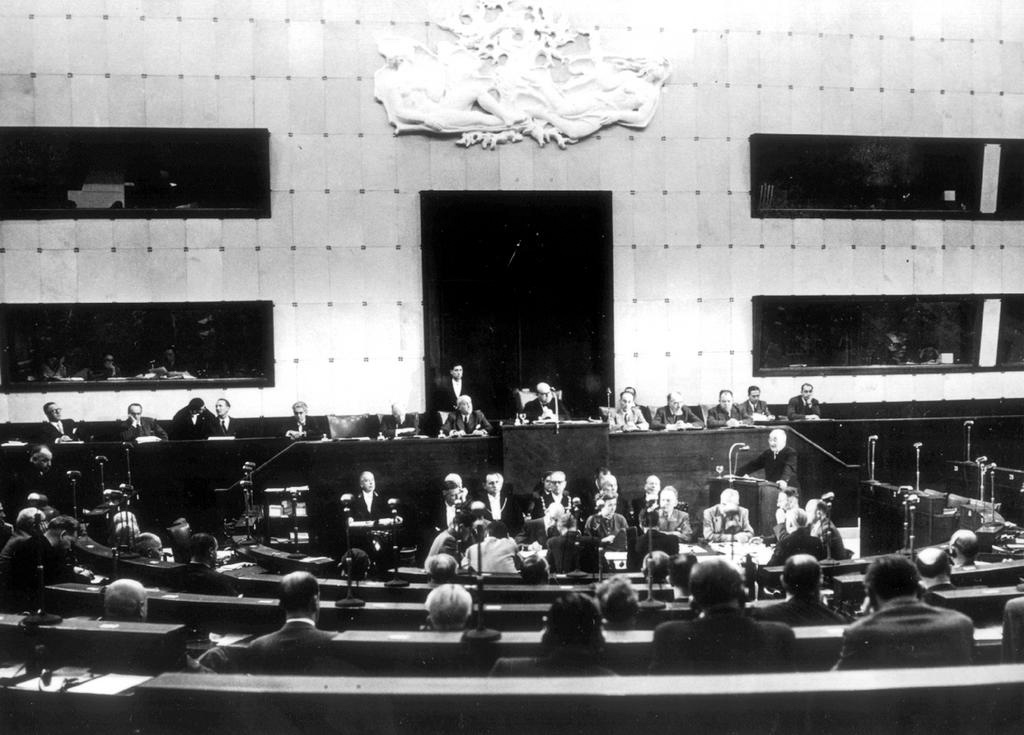
Signing of the Paris Treaty, 1951
After the events of World War II, The Economic Coal and Steel Community was born, being the predecessor of the European Union. The organizations main goal was to distribute coal and steel rations and manage the coal and steel industries. And with the signage of the Paris Treaty in 1951, the Community became a supranational governance body and officially established itself. But the treaty did not come without its flaws including resource management, trade regulation and conflict preventions which occurred because of shared economic interest and resources. How can the committee evaluate the economical and political significance of the Community, and re-sign the Paris Treaty in order to achieve the Communities previously failed economic goals?
Under Secretary General: Alim Aybaz
Academic Assistant: Yaman Çınar Kahraman
SOCHUM
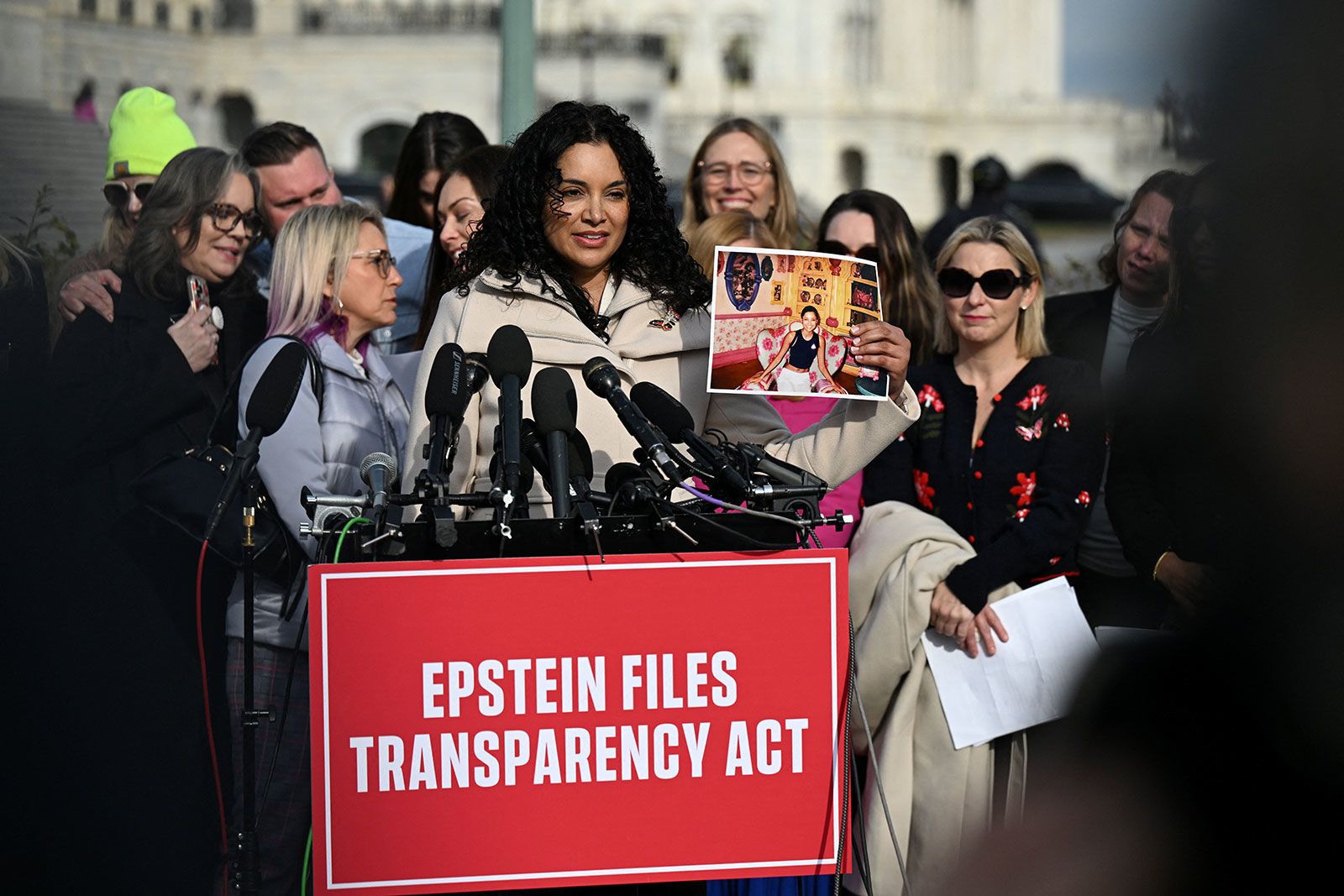
Preventing the Sexual Exploitation and Business Models in Child Trafficking - the Epstein Case
Throughout the years businesses and individuals have continued to exploit loopholes and ongoing systematic failures that enabled and popularized child trafficking and molestation. Using the Epstein case as a framework to analyze trafficking networks, accountability gaps and the misuse of power, while also examining the systematic failures that enabled child trafficking in the first place, the committee is expected to find preventative measures for such events.
Under Secretary General: Rüzgar Avcı
Academic Assistant: Selen Bostancı

DISEC
Preventing the Arms Race in Outer Space
With the limits of technology reaching beyond the Earth, nations have began expanding their global peacekeeping forces beyond the Earths stratosphere. The militarization of outer space came with major trust issues and security concerns between nations, which has led to increasingly more heated debates about the risks of weaponization, protection of the space assets and preserving space as a peaceful domain. Can nations cooperate beyond borders and our planet?
Under Secretary General: Kuzey Erdoğan
Academic Assistant: Duru Çetin
ECOFIN
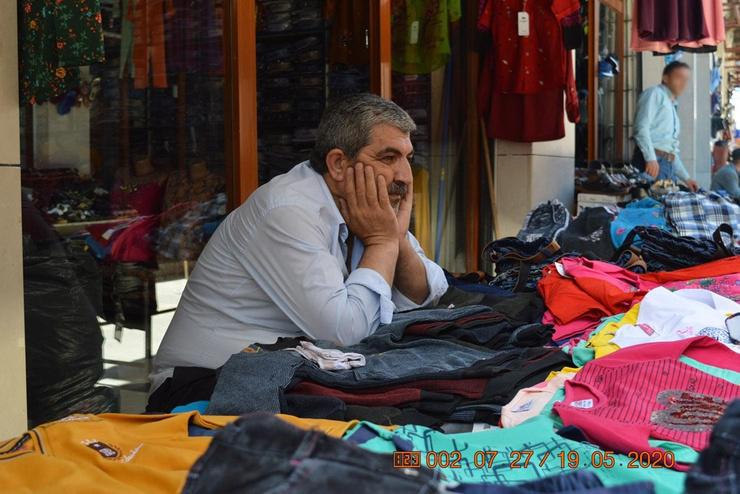
Improving the Access to Micro-Finance Programs and Small Enterprise Development Programs
With small and medium sized enterprises making up more that 96% of worldwide companies, these enterprises are indubitably a core piece of worldwide economics. And with access to Micro-Finance programs and Small Enterprise Development Programs becoming increasingly harder to benefit from due to regulatory barriers, the future of these businesses are in obscurity. How can the committee help lift these barriers and put their nations's economies on good footing?
Under Secretary General: Gülse Öz
Academic Assistant: Sencer Alp Doğan
WHO
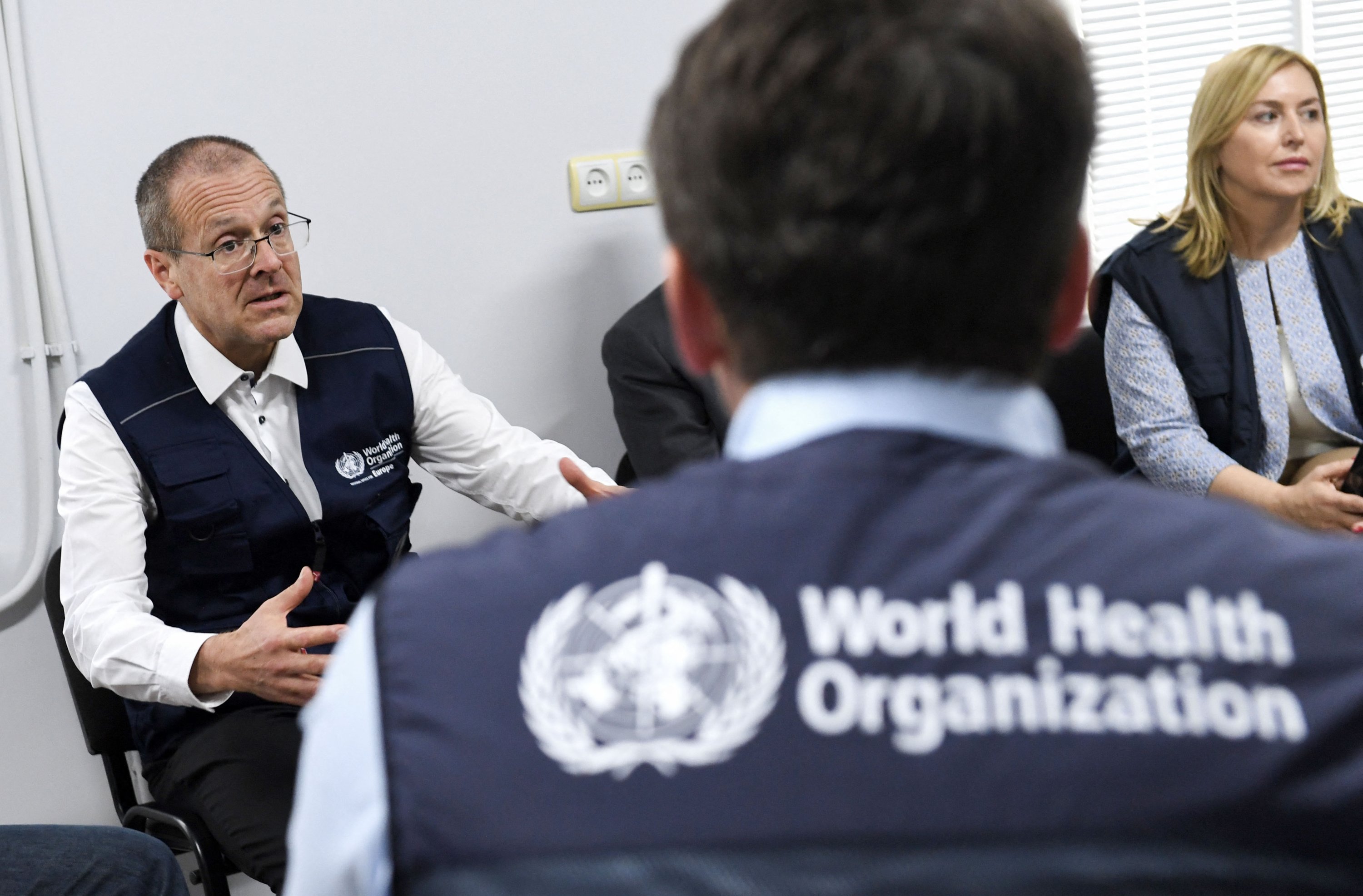
Addressing Health Determinants and the Root Causes of Ill Health in Key Policies Across Sectors
When it comes to health, social, economic, environmental, and political determinants are at play at local, national and also global levels. Nations' policies when approaching these Health determinants across different sectors must move beyond healthcare delivery to analyze how structural factors such as income inequality, education, housing, food systems, labor conditions and environmental policy contribute to disparities in health and access to healthcare. Can the nations agree on health policies and help strengthen health through multisectoral actions?
Under Secretary General: Eda Dora Aksular
Academic Assistant: Melis Hanaylı

US Supreme Court
Assassination of Charlie Kirk
On September 10 at Utah Valley University, American Right-Wing political activist Charlie Kirk was murdered while speaking at an outdoor campus debate. This event brought out heated debates between the democratic and republican parties, with the Right-Wing parties condemning the actions of the Left-Wing parties and continuously pronouncing their actions as political extremism, regarding the assassination, as the killer was later identified to be a democrat. The assassination was highlighted as an instance of increasing political violence within the United States. The United States Supreme Court aims to resolve the ongoing conflict through analyzing legal arguments and evaluating evidence.
Under Secretary General: Kaan Cansızoğlu
Academic Assistant: Aras Sayın